Royal Game Casino slot games is an online casino operator, and this homepage is where the key questions begin: what games are available, how bonuses work in practice, which payment methods are available, and how quickly can you withdraw? We approach casino gameplay as a list of criteria rather than a sales pitch. The best experience is not just the loudest welcome offer or the longest game grid; it is the combination of fair terms, clear limits, reliable banking, mobile comfort and games that fit your style. In this guide we explain what to check before you register, what to evaluate in the lobby, and which details warrant a second look before you risk real money.
Incentives That Suit Real Play
Incentives are aspect of casino gameplay, but we treat them as a instrument with terms rather than free money. At Royal Game Casino, as with any establishment, the worth of an promotion depends on the wagering condition, the time restriction, the eligible games and the maximum bet authorized while a bonus is in effect. A headline percentage can look generous while a low share rate on your favourite game makes it unworkable. We evaluate the bonus terms with the way we actually gamble: if you choose live blackjack, a slot-weighted bonus may not suit you. The right method is to examine the promotion page, calculate the realistic playthrough, and determine whether the extra funds assist or simply tie your balance.
Sign-Up Offers and Current Promotions
Sign-up offers usually include a bonus match with free spins or credit bonus, while current offers may offer reload offers, cash back, competitions or loyalty rewards. We search for a straightforward breakdown of each element: min deposit, highest bonus, spin value, expiry date and games that qualify. A smaller offer with fair terms can be more useful than a large package that requires hours of big-bet action. We also confirm whether promotions are opt-in and whether the casino displays your outstanding play progress inside the account. For players from the Netherlands, it is especially important to ensure that any promotion complies with local regulations and that the conditions are available in Nederlands or understandable English. If a promotional credit has no clear terms link, we do not depend on the banner promise.
Staking, Deadlines and Game Weighting
Checking the Details Before Signing Up
Staking requirements tell you how much you need to wager before bonus winnings can be claimed. A common structure is a multiplier of the bonus amount, but some offers apply the bonus plus deposit, so we analyze the formula rather than the headline number. Game weighting matters too: slots often contribute 100%, while table games and live casino may contribute a small percentage or nothing at all. Time limits can range from a few days to several weeks, and expired bonus funds are usually taken away. We also check the maximum bet rule, because exceeding it can invalidate a bonus. These details are not small text for lawyers only; they decide whether an offer is usable for your budget and schedule.
Before accepting any promotion, we open the full terms and check five items: eligibility, minimum deposit, wagering formula, expiry and maximum bet. We also check whether winnings from free spins are awarded as cash or bonus credit, and whether the bonus is locked or can be cashed out with your own funds. The terms should state which games are excluded and how much each category contributes. If a promotion requires a specific payment method, that detail should be in the summary, not tucked away in a footnote. We evaluate the offer with our session budget and decline if the playthrough would demand stakes we would not normally place. A bonus should enhance your gameplay, not dominate it.
Begin With the Game Lobby, Rather Than the Banner
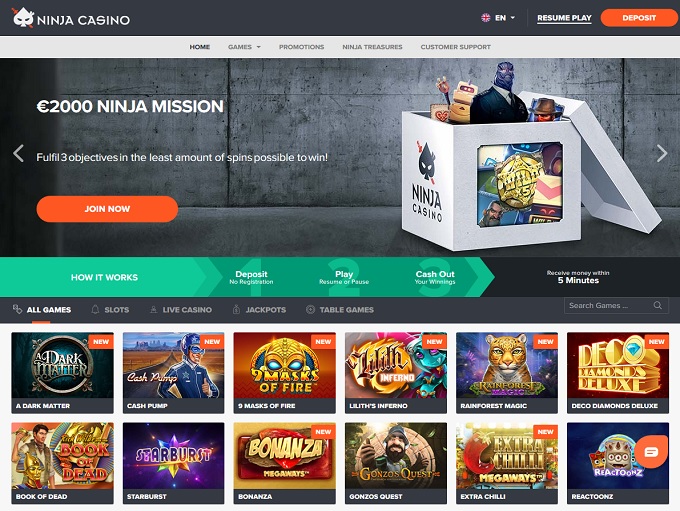
The primary element we inspect at Royal Game Casino is the lobby structure, since a polished banner tells you little about daily play. A useful lobby allows you filter by category, provider, volatility, bet range and feature type without hunting through endless rows. We seek clear labels on slots, table games, live dealer rooms, instant-win titles and specialty games, as well as a search function that returns sensible results. The lobby should also show whether a game can be tried in demo mode and whether the bet limits are shown before launch. If you must make three clicks to find the terms or the game rules, that is a friction point worth considering before you deposit.
Slot Range and Volatility
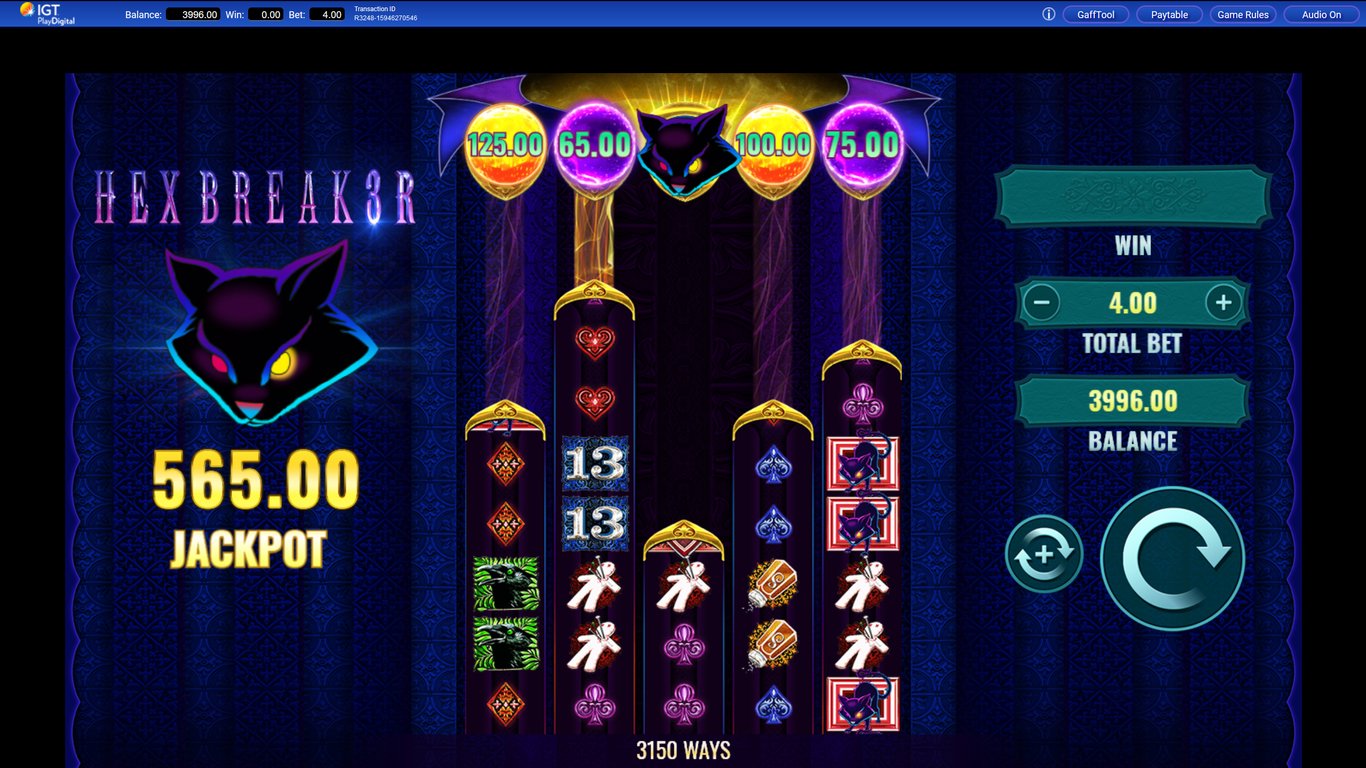
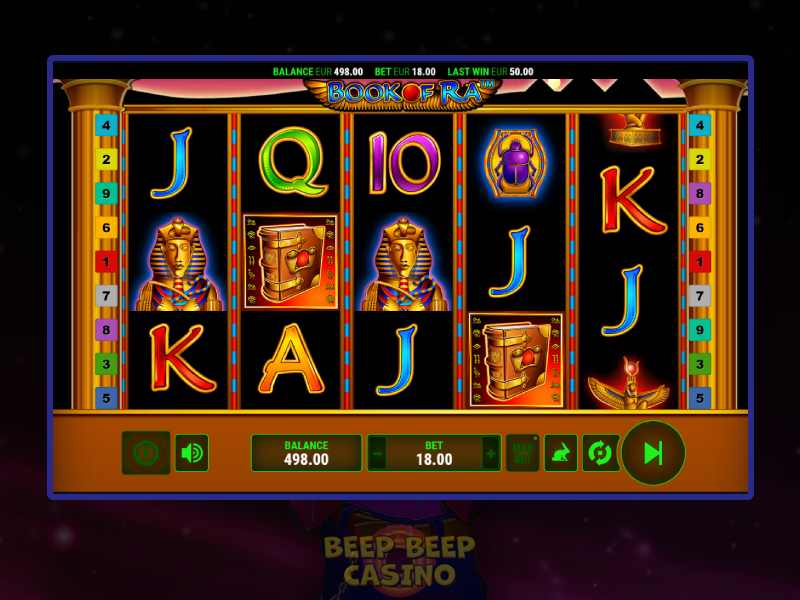
Slots are typically the broadest category, so we check whether the mix features more than one style of play. Search for classic three-reel games, five-reel video slots, Megaways-style titles, cluster-pay games and jackpot options if they matter to you. Volatility is just as important as theme: low-volatility slots tend to produce smaller, more frequent wins, while high-volatility games can go long stretches without a payout. We also contrast minimum and maximum bets, autoplay rules, bonus-buy availability and whether the paytable is accessible from the game screen. A large game count is not automatically better; a well-curated selection with clear information aids you in selecting a slot that suits your budget and patience.
Table Games and Live Casino
Table-game players need different signals. We check whether blackjack, roulette, baccarat and poker variants state their rules, house edge and betting limits at the outset. For blackjack, review deck count, dealer stands or hits on soft 17, double-down rules and surrender options; for roulette, confirm whether it is European, French or American, because the zero layout changes the odds. Live casino is a different test: we seek clear dealer schedules, table limits, video quality and whether chat is moderated. A live lobby with a few well-run tables is often more useful than a crowded room with unclear limits. If you choose low-stakes play, confirm that affordable tables are available at peak times, not only during quiet hours.
Crash-Style Games, Instant Win and Unique Games
Crash, minefield, plinko-style games and instant-win titles draw in players who want rapid rounds and easy decisions. We review the maximum payout, the provable-fairness mechanism and whether the result history is shown in the game. These formats can feel relaxed, but the house edge still applies, and rapid rounds can increase spending if you are not establishing session limits. We also verify whether the rules are explained in simple language and whether the game shows the potential multiplier before you place a bet. Specialty games should not be hidden behind vague icons; they need the same transparency as slots and table games. If a title feels puzzling in demo mode, avoid it rather than learning with real money.
Licensing, Security and Honest Play
Regulation and security are not theoretical badges; they determine how complaints are managed and what measures you can expect. We check the footer and legal pages for the operator’s licence information, the regulator’s identity and a licence identifier that can be confirmed independently. For players in the Netherlands, local rules are strict, so we confirm that the casino is authorised to serve Dutch customers and that age and identity screens are enforced. We also look for SSL encryption on account and payment pages, clear privacy data and a publicised responsible-gambling policy. A casino that conceals these details or uses unclear language about its jurisdiction is not a good foundation, regardless of how inviting the lobby looks.
The Significance of a Licence for Players
A licence is a authorisation to operate, but it is also a channel to recourse when something malfunctions. We review which regulator issued the licence, what dispute-resolution authority is named, and whether the casino publishes a complaints procedure that does not lean only on internal support. The licence should align with the market you are playing from; a badge from another authority does not automatically protect Dutch players. We also look for visible age verification, self-exclusion links and clear data about how player funds are protected. If the legal pages are hard to find or the licence number cannot be checked, we consider that as a warning sign rather than a minor design flaw.
Security Measures and Account Protection
Security checks should surface before they become urgent. We look for two-factor authentication, login alerts, session timeouts and a clear process for changing a password or registered email address. The cashier and account pages should employ HTTPS, and the privacy policy should explain what data is kept, why it is required and how long it is held. We also review whether the casino permits us to restrict deposits, losses or session time before a problem arises, not only after a request to support. A secure account is not just about encryption; it is about giving players practical controls and outlining how those controls work. If these settings are buried, we note the extra friction.
Banking, Limits and Processing Times
Banking is where a casino’s real-world performance shows. We check the deposit and withdrawal methods listed for Netherlands players, the minimum and maximum amounts, and if charges are stated before confirmation. Pay-ins are typically instant with methods such as iDEAL, cards or e-wallets if accessible, while withdrawals can be slower because of in-house verification and payment-provider processing. We look for a clear table or page that states projected wait times rather than ambiguous claims. It is also advisable to verify whether the casino offers the method you use for both deposits and withdrawals, because some operators allow a deposit method that is not available for cash-out. Quickness counts, but dependability and clarity are more crucial.
Deposits: Options and Pace
Payments should be simple, fast and transparently costed. We seek a provider that shows the available methods, starting sum, any charge and if the transaction is immediate before we finalize. Typical choices in the local scene can include iDEAL, debit or credit cards, bank transfers, e-wallets and vouchers, but access changes by site and account status. We avoid presuming that every badge on the homepage indicates the method is available for every player. It is also valuable to verify whether funding can be restricted or prevented through player protection options. If a transaction exceeds the usual time, the operator should clarify the progress and offer a reference number. Straightforward payment processes cut down on issues and make the initial experience less daunting.
Withdrawals: Identity Check and Timing
Payouts deserve closer attention because this is where identity checks, bonus conditions and payment limits converge. We expect the casino to check name, age, address and payment ownership before processing funds, and we arrange documents in advance so the first cash-out is not delayed. Processing time usually has two parts: the casino’s internal review and the payment provider’s transfer time. E-wallets may be quicker than bank transfers, but exact timelines fluctuate. We check whether there is a pending period, a minimum withdrawal amount and any weekly or monthly cap. If a bonus is active, we verify whether withdrawal is blocked until wagering is complete. A casino that explains these steps clearly is easier to rely on with larger balances.
- Verify the withdrawal method is available for your account and corresponds to your deposit where required.
- Undertake identity verification before initiating a cash-out to avoid a pending delay.
- Check minimum withdrawal amounts, fees and any weekly or monthly limits.
- Review bonus terms if funds are active; wagering may must finish first.
- Keep payment receipts and account statements until the withdrawal is confirmed.
Support, Policies and Impartiality Features
Help quality is simpler to evaluate before a conflict. We evaluate live chat with a straightforward question about withdrawal times and record whether the response is precise or taken from a help page. We https://www.ed.nl/helmond/straatprijs-gevallen-in-deze-helmondse-wijk-we-gaan-volgend-jaar-trouwen-dat-wordt-nu-een-heel-groot-feest~af409fc3/ check whether support is provided in English and Dutch, what hours it spans and whether email replies include a ticket number. A good help centre details verification, bonus rules and payment limits without forcing us to open a chat. We also seek a designated complaints procedure and an secondary dispute-resolution route. Fast answers are valued, but correct answers are more important. If support cannot clarify a basic cashier rule, we reduce our faith in the overall operation.
Help Pages and Complaint Routes
Help pages should be searchable and composed in plain language. We search for separate articles on deposits, withdrawals, bonus wagering, account verification and responsible play, each with screen captures or detailed notes where useful. The pages should specify processing times and limits without concealing behind terms such as “may vary.” We also examine whether the FAQ answers match the terms and conditions; discrepancies are a warning sign. If a help page was last updated years ago, we presume some details may be stale. Explicit self-service information minimizes the need for chat and offers us a recorded record of the casino’s published rules before we reach a decision.

Rules of the Games and Equity Tools
Fairness tools are an element of gameplay, not a compliance footnote. We examine whether game rules, return-to-player percentages and volatility information are accessible before release, and whether demonstrably fair titles release a verification method we can follow. For slots, we look for the paytable, bet lines and maximum win; for table games, we verify the rule variations that alter the house edge. We also check whether the casino links to independent testing or auditing information. Nothing in this ensures a win, but it indicates whether the operator regards players as mature individuals who merit clear information. If the numbers are missing, we conclude the game is not ready for a careful session.
Mobile Gaming and Session Control
Playing on mobile is now the default for many players, so we test the casino on a phone prior to evaluating the desktop lobby. We verify whether the site loads without sideways scrolling, whether buttons are large enough to tap precisely, and whether the cashier works in portrait mode. Games should open without demanding a separate app unless the operator explicitly states the download and permissions. We also contrast the mobile game count with desktop, because a few titles are quietly removed on smaller screens. A responsive layout is beneficial, but the real test is if deposits, withdrawals and bonus progress stay easy to locate when we are playing on a commute or a small tablet.
Testing on Phone and Desktop
We conduct the same short test on phone and desktop: open the lobby, search for a known game, launch a demo round, open the paytable and return to the cashier. That sequence reveals navigation problems that a homepage tour can hide. de analyse We note whether the game remembers our bet size, whether the screen rotates properly and whether live dealer video starts with minimal buffering. On desktop, we verify keyboard access and whether pop-ups block the game area. On mobile, we look at battery drain and data use during a ten-minute session. These details seem technical, but they decide whether a session feels smooth or often broken up by small fixes.
Bankroll Limits and Session Timing
Session control belongs inside the account, not in a separate advice page. We search for deposit limits, loss limits, single-bet limits and reality checks that can be set in a few clicks. A useful reality check presents elapsed time and net spend without forcing us to leave the game. We also verify whether limit reductions take effect immediately and whether increases require a cooling-off period. Time tracking is important because fast games can pack many decisions into a short period. We prefer tools that are visible during play and easy to adjust, rather than settings that require a support ticket. If the casino makes limits hard to find, we consider that as a design choice that works against the player.